
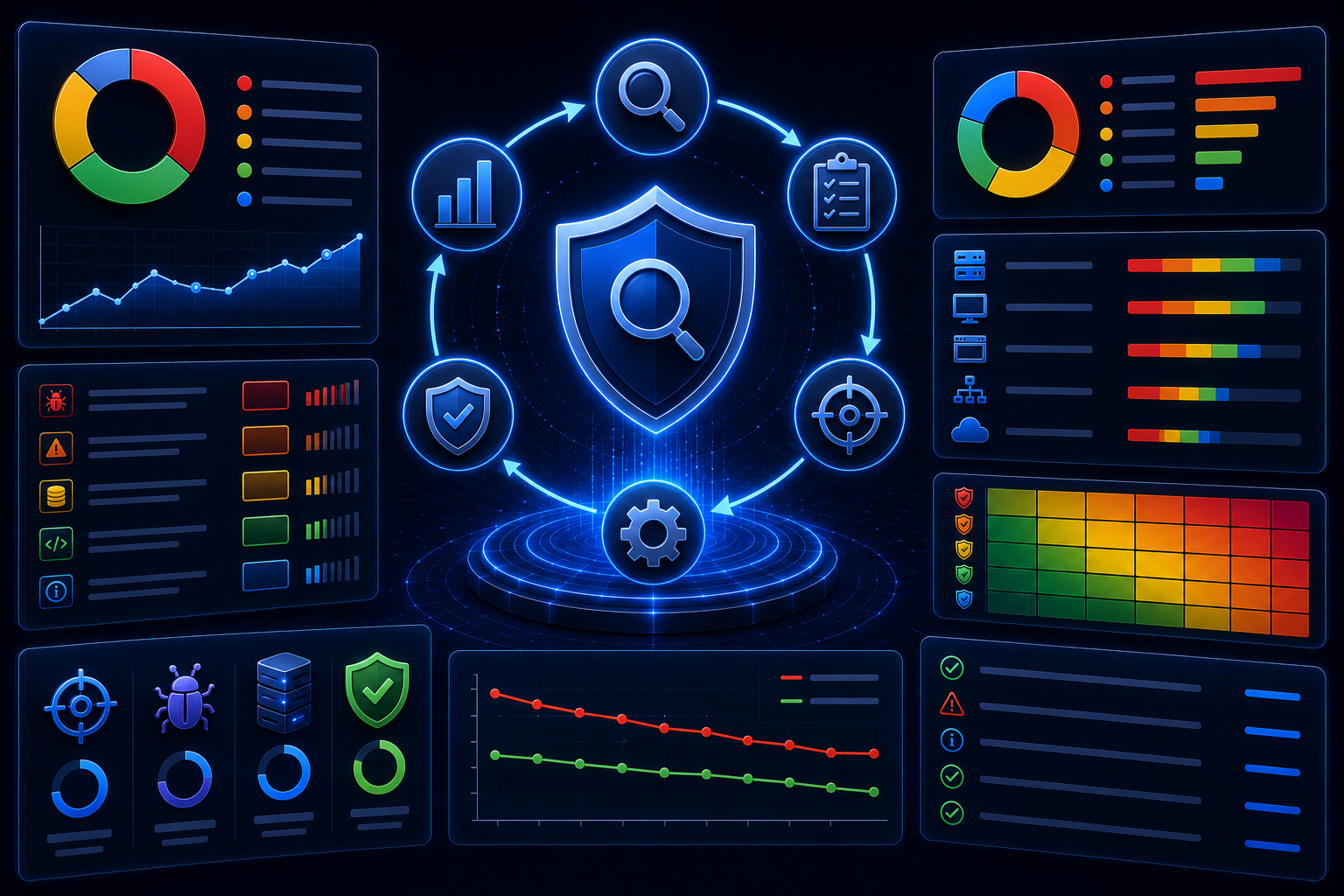
XeneX 5 Step process includes Identification of assets, Vulnerability scanning, Vulnerability assessment, Risk assessment, and finally Prioritization and remediation.
XeneX RBVM allows organizations to focus their resources on addressing the most critical vulnerabilities first. By assessing the risk associated with each vulnerability, organizations can prioritize their remediation efforts based on potential impact, reducing the chances of a successful attack.
XeneX RBVM helps organizations allocate their limited resources more effectively. Instead of trying to address all vulnerabilities simultaneously, which can be overwhelming and inefficient, RBVM enables organizations to concentrate their efforts on the vulnerabilities that pose the highest risk, ensuring that resources are utilized where they are most needed.
XeneX RBVM provides a structured approach to identifying and managing risks. By assessing vulnerabilities within the context of their potential impact, organizations can make informed decisions regarding risk tolerance and implement appropriate security measures to mitigate or accept the identified risks.
XeneX RBVM helps organizations strengthen their incident response capabilities. By proactively identifying vulnerabilities and addressing them promptly, organizations can reduce the window of opportunity for attackers and improve their ability to detect and respond to potential security incidents.
Many regulatory frameworks and industry standards require organizations to perform vulnerability assessments. XeneX RBVM can assist organizations in meeting compliance requirements by providing a systematic and risk based approach to vulnerability management.
XeneX RBVM can contribute to cost savings by ensuring that resources are allocated efficiently and effectively. By focusing on critical vulnerabilities, organizations can reduce the likelihood of successful attacks and associated costs, such as data breaches, system downtime, and reputational damage.
Risk-Based Vulnerability Management (RBVM) is a cybersecurity approach that identifies, assesses, prioritizes, and remediates vulnerabilities based on their potential risk to an organization. Unlike traditional vulnerability scanning, RBVM considers factors such as asset criticality, data sensitivity, exploit likelihood, and business impact to focus remediation efforts on the vulnerabilities that pose the greatest threat.
A traditional vulnerability scan identifies security weaknesses but typically treats all vulnerabilities equally. XeneX Risk-Based Vulnerability Management goes further by evaluating the business and security risk associated with each vulnerability. This enables organizations to prioritize remediation efforts based on real-world risk rather than simply addressing vulnerabilities based on severity scores alone.
XeneX follows a structured five-step methodology:
This process helps organizations gain visibility into their attack surface, identify critical risks, and implement remediation strategies that improve overall cybersecurity resilience.
Not all vulnerabilities create the same level of risk. Vulnerability prioritization allows organizations to focus resources on addressing the security weaknesses most likely to impact critical systems, sensitive data, and business operations. This reduces the likelihood of successful cyberattacks while maximizing the effectiveness of security investments.
XeneX evaluates vulnerabilities within the context of business risk, asset value, and threat exposure. By identifying and remediating high-risk vulnerabilities first, organizations can reduce their attack surface, improve security posture, strengthen incident response capabilities, and minimize the likelihood of costly security breaches.
Yes. Many cybersecurity regulations and frameworks require ongoing vulnerability assessments and risk management practices. XeneX RBVM helps organizations support compliance initiatives by providing a documented, risk-driven approach to identifying, prioritizing, and remediating vulnerabilities across their environment.
By proactively identifying and addressing critical vulnerabilities before they are exploited, XeneX RBVM reduces the number of security incidents organizations face. It also helps security teams understand where the greatest risks exist, enabling faster detection, response, and recovery when threats occur.
XeneX RBVM helps organizations improve security, optimize resource allocation, reduce remediation costs, strengthen compliance efforts, and minimize business disruption. By focusing on the vulnerabilities that matter most, organizations can achieve better security outcomes while reducing operational and financial risk.
XeneX enables organizations to prioritize remediation based on risk instead of attempting to address every vulnerability at once. This targeted approach allows IT and security teams to focus their time, budget, and personnel on the most critical issues, improving efficiency and reducing unnecessary workload.
XeneX combines advanced vulnerability scanning, risk analysis, asset prioritization, and remediation guidance into a comprehensive Risk-Based Vulnerability Management solution. By aligning vulnerability management with business risk, XeneX helps organizations strengthen cybersecurity defenses, reduce exposure to threats, and make smarter security decisions.